
Backdrop
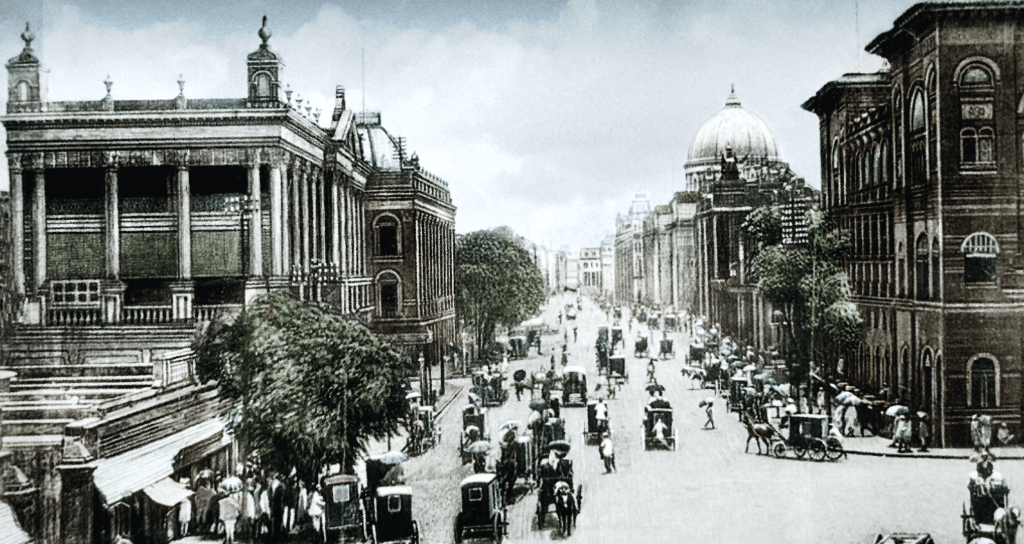
With the first Fort William finally completed in 1716-17, Calcutta township emerged from a rustic landscape, featuring a small assemblage of isolated residential quarters clustered around the Fort. The growth was random and sporadic in uncharted plots. “As Calcutta became settled, Sutanuti became abandoned by the English as a place of abode.” The Sutanuti Sahibs, Bellamy and his neighbours, rode beside their wives’ palanquin, “the old defenseless village of the cotton-market lay behind the gardens, orchards and houses of the thriving native middlemen …” Hyde To reach Calcutta township, they took a country road, by the side of which Calcutta Theatre was founded in 1775 on a long, uneven stretch of the esplanade area, east of the ruins of the old Fort.
We found next to nothing about Calcutta’s first playhouse, except its location outside the Old Fort wall – a strategic position it held amidst the Battle of Lalbagh, thanks to Thomas Daniel’s aquatint for its witness. On the contrary, a wealth of historical information has been amassed on the new playhouse, Calcutta Theatre. We are, however, still perplexed about its locus. The ground reasons for the lacuna appear to be the dire scarcity of topological details about the early years of its existence, that is, from its foundation in 1775 till 1792, when, for the first time, several major high streets and important buildings rose ‘almost overnight’, as Massey says, to provide a visible physical context. Calcutta Theatre occupied an uncharted position on a nameless country road, outside municipal governance, running under the Mayor’s Court. When it was destroyed and gone out of sight and mind for the public for a pretty long time, say after a few generations, the bewildered researchers making every attempt to fathom its grave under several layers but in vain, partly because of the methodology they adopted were inadequate to establish spatial relationships between the pre-existing edifice of Calcutta Theatre (1775) with the recent infrastructure of the white township, stretching ‘from Hastings to New China Bazar’. Biswas
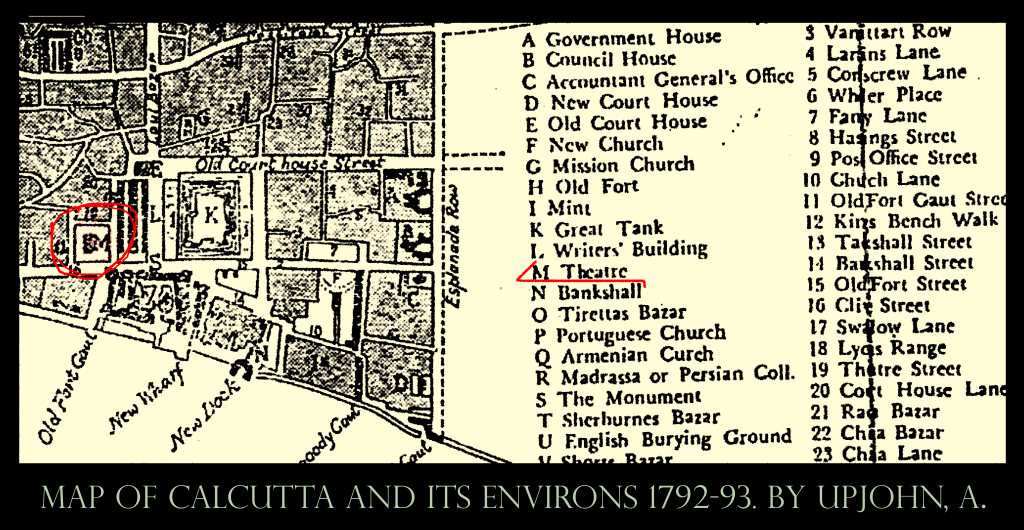
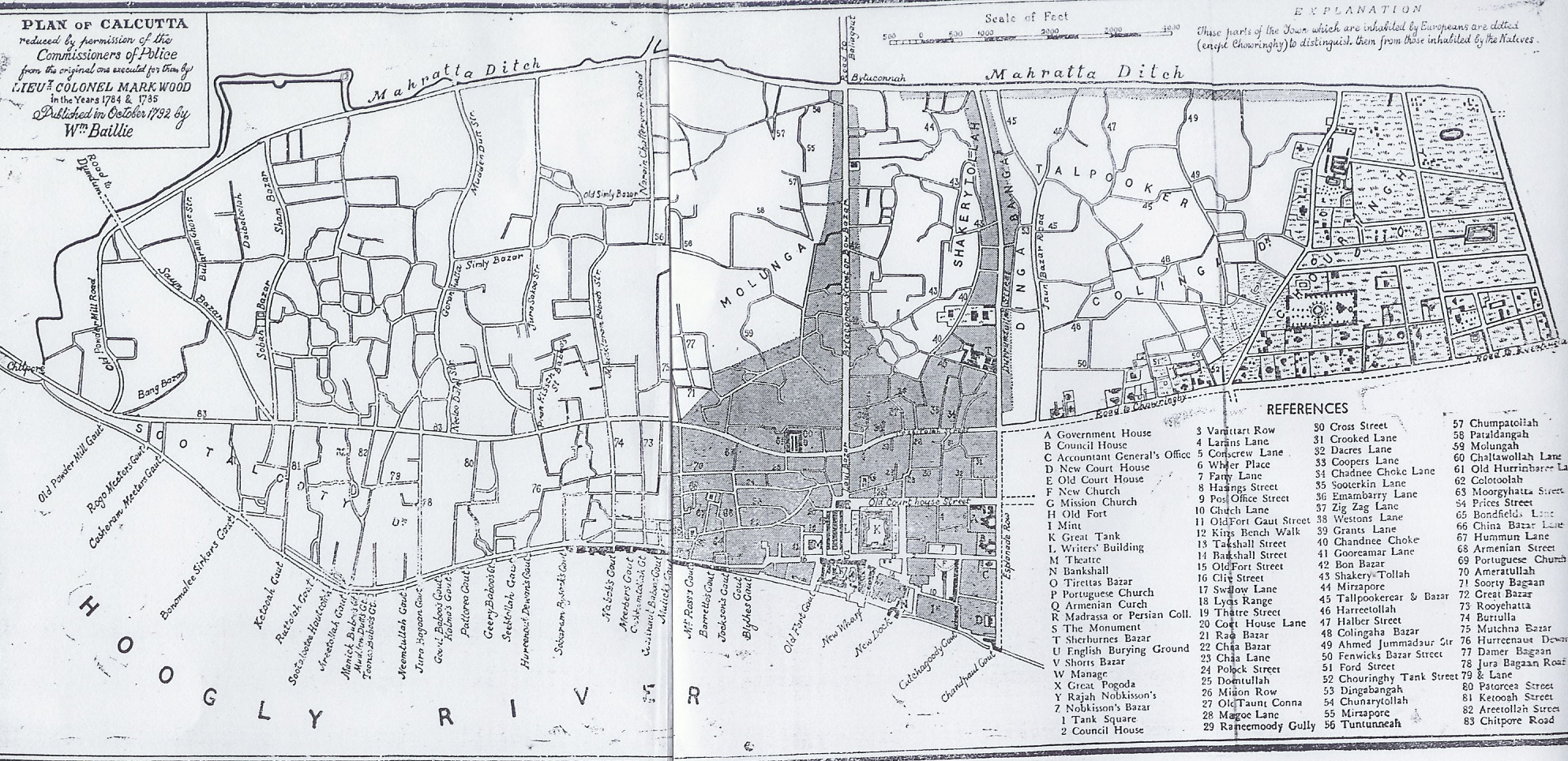
The chroniclers and historians, in their quest for the lost site of Calcutta Theatre, depend primarily on two legendary maps of Early Calcutta: one is ‘Plan of Calcutta 1784-1785’ by Mark Wood, the other, ‘Map of Calcutta and its environs, 1792-1793’ by Aaron Upjohn. Both maps represent important houses and streets that existed across generations in the first Fort William Calcutta township. Since neither of these two primary sources provides scope for chronological distinctions among the sites, they had made some interesting conjectures to accommodate the antedated Theatre in the developing neighbourhood, assigning a borrowed identity – a street name, a plot number, or a house number of the premises raised subsequently upon any imaginable Theatre site. These identifiers were subject to change, and whenever they did, the search became more confounding. For example, house No. 15 Clive Row, which was suspected to be founded on the site of Calcutta Theatre, lends the Theatre a temporal identity. The inconsistent relationships between Calcutta Theatre and the frequently changing identifiers served as vacillating points of reference that lead the investigations to multiple possibilities, instead of one definite site verifiable in its historical context. Many writers, including great historians and humble scholars like the present author, were misled by extraneous factors into believing that No. 15 Clive Row was the lost site of Calcutta Theatre. Ajantrik
Cradle of Calcutta Theatre
We can well imagine the barren, wide country road where Calcutta Theatre was planted. Except for a few nameless dirt ways, Calcutta had no paved roads to nicely erect houses alongside its skirt. The country road was locally called ‘Burra Bazar Ka Rastah’ Bengal. 1858, and was christened “Clive Street” in 1792 to perpetuate the name of Lord Clive after his death. Founded in 1775, Calcutta Theatre entertained the white towners from 1776 to 1808. The Theatre lingered in the vicinity for about its last sixteen years as an auction house rather than a theatre hall, leaving behind no trace of its physical existence to apperceive visually or intellectually, thrusting a tough challenge to researchers, who have been struggling to reckon the site of Calcutta Theatre lying untraceable for the last two centuries.
Among the plethora of information which we inherited about Calcutta Theatre, there are some crucial facts and figures concerning its foundation and construction. Formerly, the plot belonged to John Carlier Esquire (23 May 1733 – 25 January 1802). He used to pay the subscribers’ rent, Rs 17-13-3 per annum, in the Cutchery of the Calcutta Division. For the New Theatre, the Patta (No. 27) was granted on 1st June 1775 unto seventy-four gentlemen, including Warren Hastings, General Monson, Richard Barwell, Chief Justice Sir Elijah Impey, justices J. Hyde, John Chambers, and S. C. Lemaistre, for 5 bighas 19 cuttas and 12 chhataks of ground situated in Bazar Calcutta, the name by which Calcutta was then often referred to. Stanhope
The location was best suited for a theatre, being in the neighbourhoods of Calcutta elites like Philip Francis, who lived behind “in the finest house in Bengal with a hundred servants, a country house and spacious gardens, horses and carriages, etc.” Busteed The two maps, prepared by Wood and Upjohn, indicate that the house was evidently large and beautiful. The Theatre was built at a cost of about “one lac rupees” raised by a subscription from the leading members of Calcutta society of those days, including the gentlemen named in the Patta. It is, indeed, an ambitious plan, and “no wonder that the house was about the size of Bath Theatre (i.e. Old Orchard Street Theatre, 1705)”. Gibbes
Calcutta Theatre – Forgotten Over Its Lifetime
From 1793 onwards, the glory of Calcutta Theatre had been slowly declining. It was set to become a meeting place and a house for fun and recreation before it closed down unceremoniously in 1808. The Theatre Hall was increasingly exploited to entertain the whims and fancies of Company Raj and the pleasure-seeking public. Rooms were provided for meetings, dancing and shopping at auctions. Ultimately, the Calcutta Theatre building, with its sprawling backyard, was sold out in July 1808, in an auction under the direction of Robert Raworth. Babu Gopey Mohan Tagore bought the property to establish a new market district for the old town, New China Bazar.
One of the reasons for the downfall of Calcutta Theatre was that the locality of the Theatre became unfashionable, as Calcutta was then moving out of town towards village Chowringhee. Long
After acquisition of the land of Calcutta Theatre in 1808, Gopey Mohan took no time to advertise in Calcutta Gazette on November 1, 1808 to notify that “from and after the twentieth day of November instant, the shops in the New China Bazar, behind the Writers’ Buildings, will be open, where Europe and other Articles of every description will be found for sale.” Most of the shopkeepers of the Old China Bazar agreed to remove their shops to the above mentioned buildings … Calcutta Gazettes
Clive Street and Its Environs
Once a part of a nameless, broad and barren rural highway, the old Clive Street ran into the thinly populated esplanade area north-west of the first Fort William, and there it served most strangely as the ground zero for exploding into an overcrowded capital of British India.
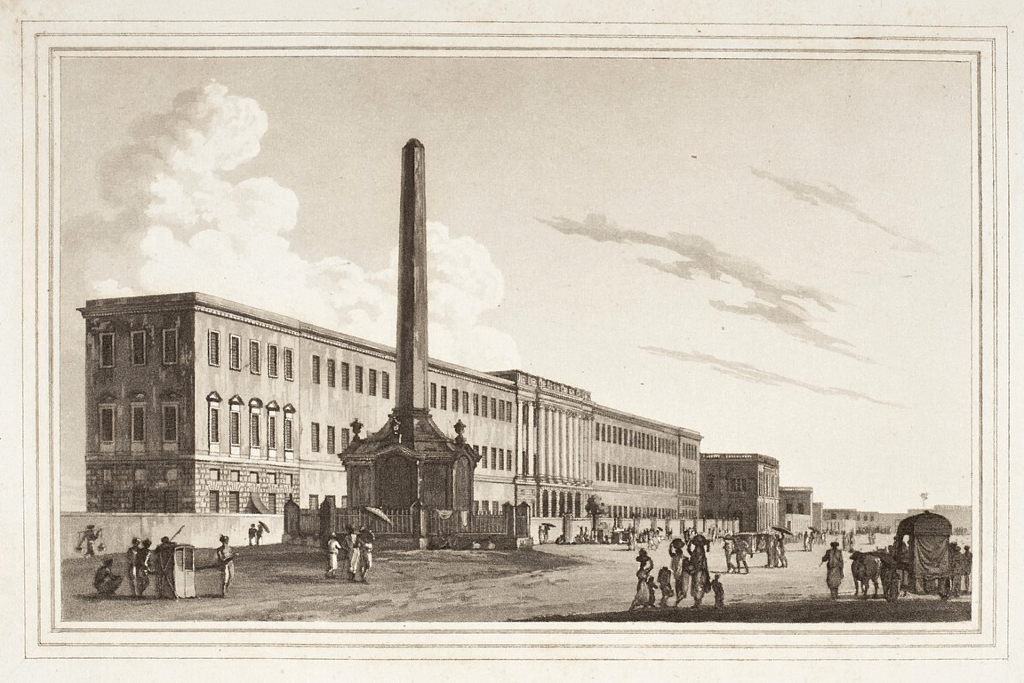
There had been no Writers’ Buildings before 1780 to accommodate young factors. The English Church of St Anne had stood since 1709 at the junction of the latter Clive Street and the old tank, which was cleansed and embanked in Warren Hastings’ time. The Church, however, was stormed and destroyed during the siege of 1756, but survived in public memory for years together, as an old landmark. The ambience was turned into a centre of fashion when Captain de Grandpré visited Calcutta in 1789. Behind the Church was the thick cluster of residential masonry buildings where Mr Edward Eyre, a senior member of the Council of Fort William and a Black Hole victim, had his house. Some historians maintain that Robert Clive once lived in Eyre’s house. Curzon Behind Mr Eyre’s compound, Secretary Cooke, who survived the Black Hole, had a house there. Next to him was the widow of Charles Beard. “On the site occupied by their buildings, Clive and Philip Francis lived” Cotton. Besides the gentry, the Company’s junior servants also lodged in private houses on lease.
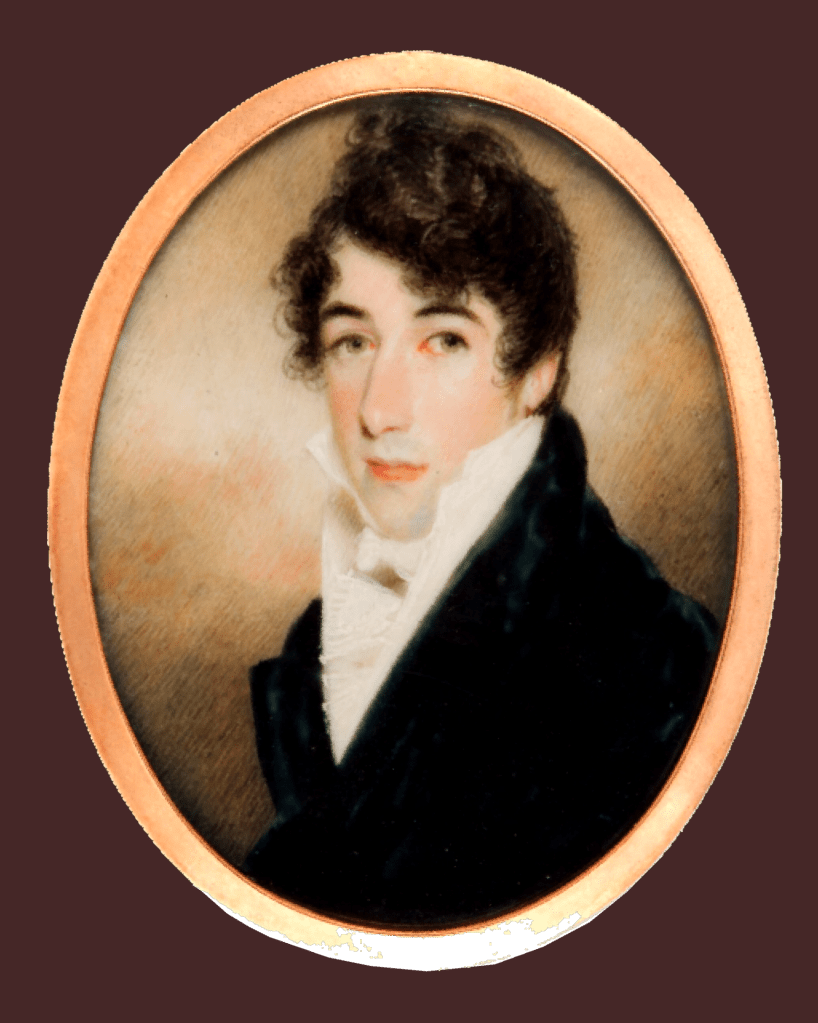
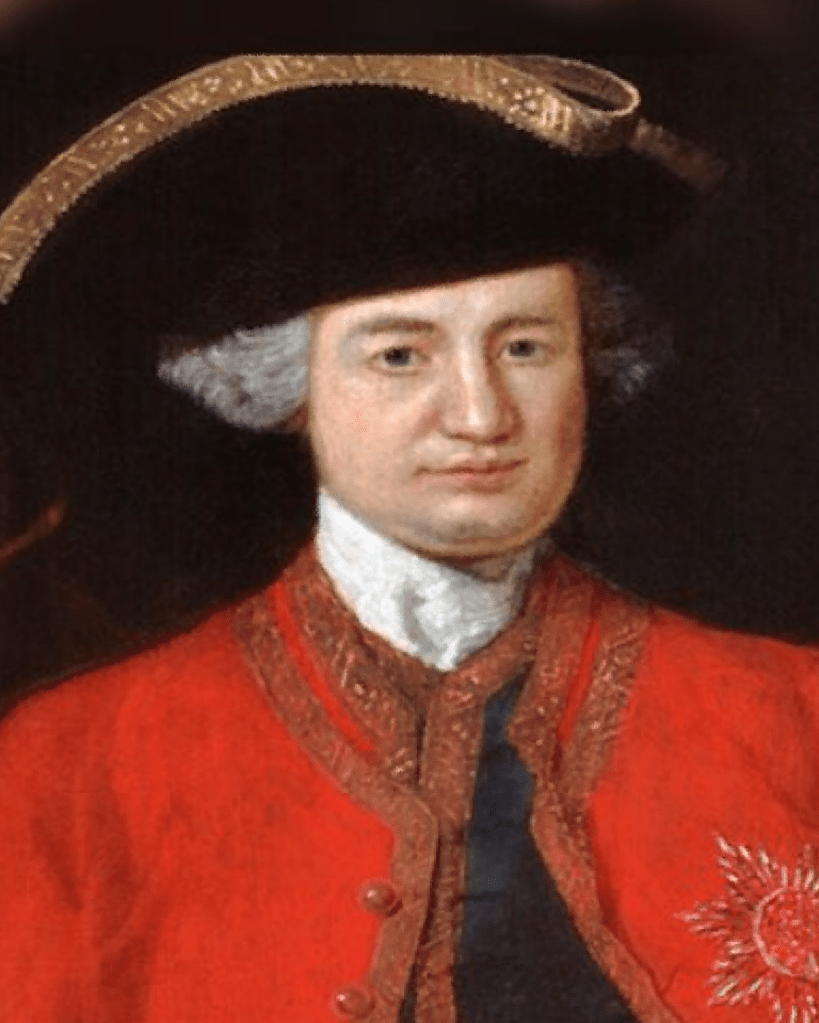
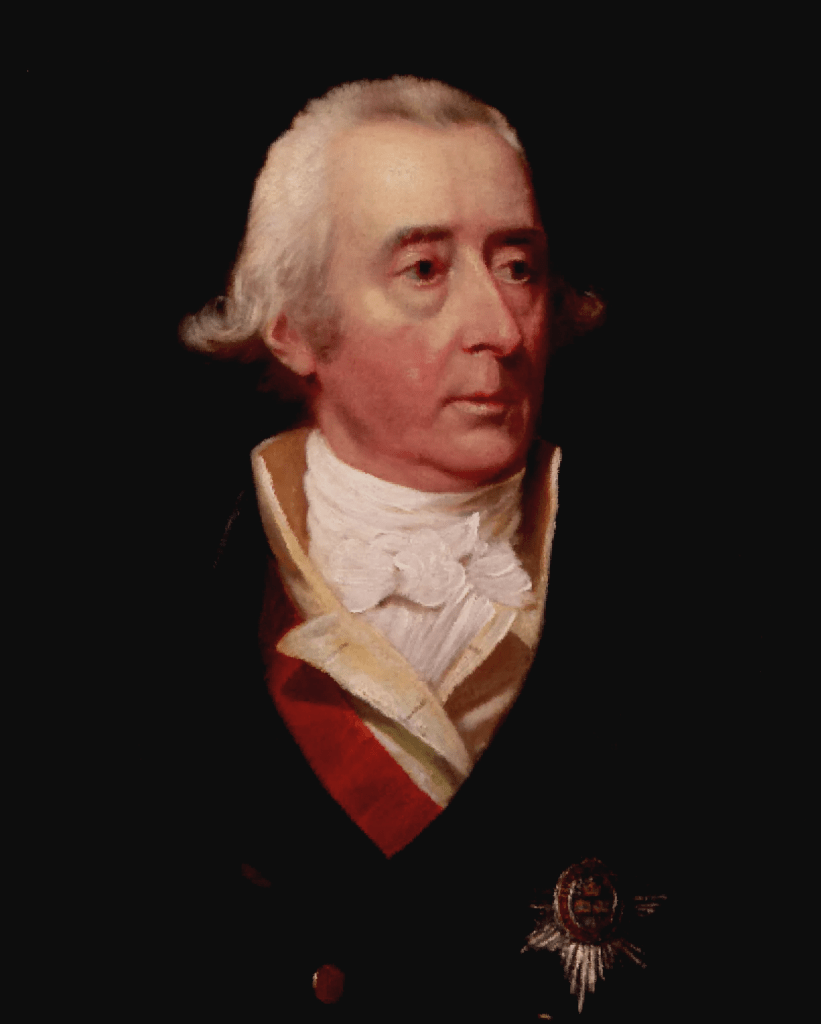
It was for the purpose of erecting a range of buildings to accommodate the juniors; a land was granted in October 1776 to Mr Thomas Lyon, a carpenter-turned-architect, whose name has been perpetuated in Lyon’s Range. Mr Sterndale, one of the signatories in the deal, suspected that Lyons might have acted on behalf of Mr Richard Barwell, a friend and steady supporter in council of Warren Hastings. Whatever it may be, Blechynden thinks, Barwell was the acknowledged owner when the construction was completed and was taken by the Government on a five-year lease in 1780. Blechynden Richard Barwell let it out to the Company at a rental of two hundred Arcot rupees per mensum for each of the two sets of apartments numbering 19. A description of the same two pieces of land is given in the trust deed. Sterndale
Adjoining Lyon’s Range, there were three houses, where resided Omichand, Mr Coates, a senior merchant, and Mr John Knox. On the back row, the first house, where Philip Francis stayed, was considered “the finest in Bengal”. Francis There had been another garden house of Mr Cruttenden, formerly a governor of the settlement. It seems from its dimensions in the plan that the house must have been one of the finest and most imposing of the buildings in the settlement overlooking the Ganges, facing the northern wall of the Fort.
Montague Massey writes in his Reminiscences many rare details that enriched Calcutta’s history of the latter half of the 19th century, even though it was not a history but a delightful memoir describing what he had witnessed. He never, however, experienced “the very earliest street alterations and improvements”, and that explains his anachronous accounts of Canning Street and Clive Row. Canning Street was constructed in 1817. Clive Row was constructed in 1866, over an area of 1 Bigha, 11 Cotta, and 13 Chetaks at Rs 29,518. Later, Clive Row was extended by adding 18 Cotta, 13 Chetaks of land donated by Babu Brajo Bandhu Mullick. Basu
Montague Massey, as it appears in the Bengal Directory 1876 Street List, was a resident at No. 1 Clive Row, where, at a stone’s throw, Messrs. Finlay Muir and Co., the leading tea merchants in British India, had opened their Calcutta office in 1870. What Massey remembers clearly is that “at the junction of Clive Row, on the space of ground extending from the latter for some distance to the east, and north as far as the boundary wall of Andrew Yule & Co.’s offices, leaving but a narrow strip of a lane running parallel to the latter and affording access to China Bazaar on the east and beyond”. Obviously, this was New China Bazar Street that connected Lyons Range and New China Bazar. When he first came to Calcutta “this space was occupied by a very mediaeval, ancient, and old-fashioned building having a flagged, paved courtyard in front, surrounded by high brick walls. It divided Canning Street into two distinct sections, effectually obstructing communication between east and west, except for the narrow strip of passage mentioned above.” That “old-fashioned building having a flagged, paved courtyard” must be some house other than the abode of Calcutta Theatre, which was razed to the ground in 1808. Massey
Conversion of Private Living Spaces Into A Commercial District
Nearly a century after the foundation of the first Fort William, partly in the midst of urban ruins, the European settlers were anguished over escaping from the bleak, cheerless climate of the Old Fort Town of Calcutta, divided by the creek wandering inland past the southern wall of the burying ground, from Chowringhee and Govindpur. The prospect of an aerial, livable habitation in the neighbourhood of the New Fort attracted the towners to settle in commodious Chowringhee. They left their villas mostly to the financial and corporate houses, converting the dwellings of about the first three generations of British settlers into one of the largest commercial zones in the British colonies. The central business district of Calcutta is still bursting with old palatial British mercantile houses, including banks and government offices. The kind of massive transformation of a high-density unplanned residential township into the primary capital market in British India, heavily featuring European firms, took place within an unbelievably short time, almost like a trick of a genie, as Massey has expressed in a similar context. The transformation, however, shattered the basic logistics of the territory by building and rebuilding the critical infrastructure for interconnecting roads and by-roads.
Massey, however, had witnessed half a century ago that Clive Row did not exist as an ordinary thoroughfare and had no houses on it. It was more or less filled up by the compounds of the various houses situated on the western side of China Bazaar”. The details sound perfect for the newly constructed Clive Row in 1866.
This superstructural transformation that Massey perceives, in general applies to a large area covering “Clive Row, the whole of the south side of Clive Ghaut Street stretching round the corner into the south of the Strand, part of the northern portion, Royal Exchange Place, Fairlie Place, the west and south side of Dalhousie Square, and a goodly portion to the east”. There is some reference that suggests New China Bazar Street became Royal Exchange Place after the First World War. When the analogy may or may not be justified, Clive Street was called the Asiatic Wall Street, dismissing its brief socio-cultural history and letting its heritage, like Calcutta Theatre, be a dead memory.
THE QUEST
In their quest, researchers adopted both rural and urban conventions in tracking the lost site of the Calcutta Theatre. The rural procedure of guiding is by referencing a visible landmark, say, a tree, a pond, a house, a monument, or something in proximity standing at a particular angle to the site. When this system is good for a natural village scenario, the case of Calcutta Theatre proved inappropriate because there were no elements that survived to serve as an active reference. The only structure that could have served, the Holwell Monument, originally situated somewhere nearby, was demolished in 1781.
The urban procedure for guiding is by street directory pointers: occupant’s name, house name, street name, plot number/house number. Since no streets were constructed and no plot and house numbering systems were prevalent when Calcutta Theatre came into being, some desperate attempts were made to earmark certain heritage buildings to dig out the names and addresses of the premises built over several generations, in the hope that the Theatre would show up at the end of the line. It could have been an easy solution if the street names, house/plot numbers, and the residents had never divided, deviated, or diverged as often as they did in the Clive Street region.
PROXY REFERENCES
When Calcutta Theatre was formally inaugurated in 1776, it was then an elite neighbourhood, inhabited by distinguished EIC personages and eminent merchants of European origin, except Omichand, the native tycoon. It was exclusively a growing residential district, where many dignitaries lived, including quite a few families of the Black Hole victims. The villas were built willy-nilly wherever the owners wished, like everywhere else, not in the native habitation alone, as Lord Wellesley particularised in his famous 1803 minute of improvement plan Wellesley.
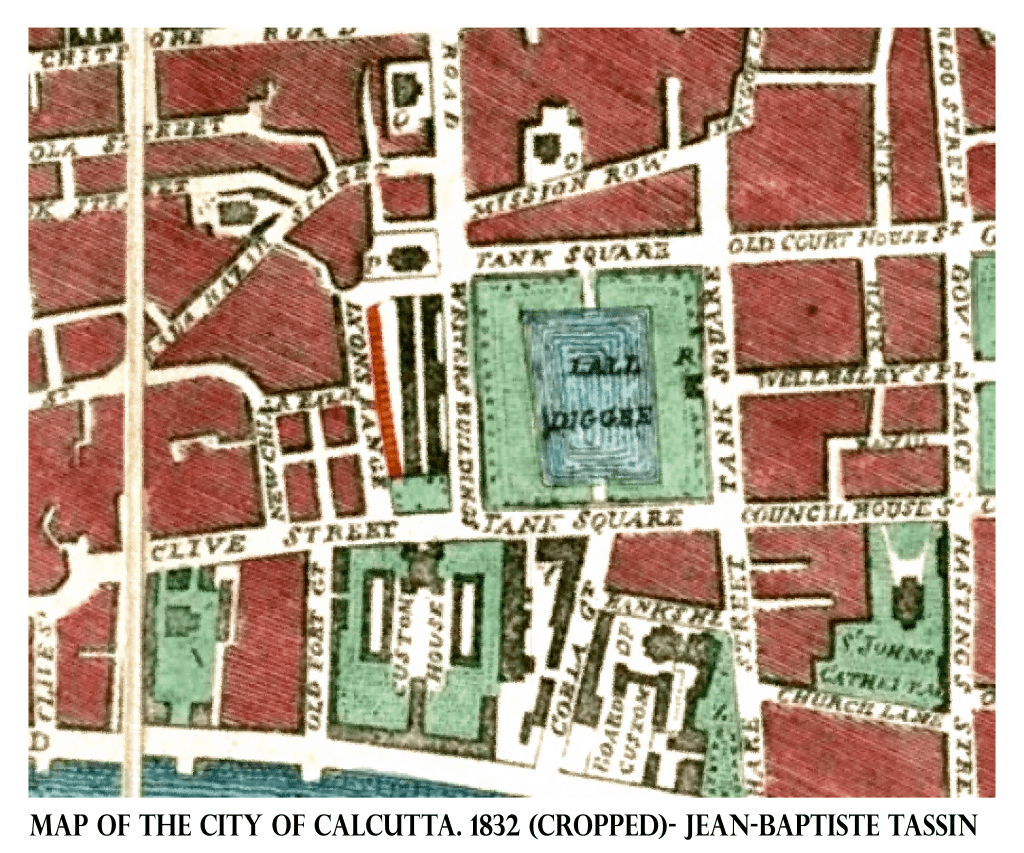
Among the oldest residents in the locality were Mr E. Eyre, Lord Clive, and Philp Francis. Historians presuppose, for some unclear reasons, that one of their dwelling houses might have been the lost site of the Calcutta Theatre. While we know the exact dimensions of the theatre ground, no definite information has been made available to us about its locale, except the markings in Wood’s and Upjohn’s maps and some unstable conjectures. Both the maps spot the Theatre between the north-east edge of the Lyon’s Range and Clive Street. The neighbourhood north of Lyon’s Range, known as New China Bazar since 1808, when Gopey Mohan Tagore, as already discussed, acquired land for New China Bazar, opposite Customs’ House. Bengal Directory. 1858, demolished dwellings and the abandoned Calcutta Theatre. This piece of common knowledge reassures that the site of Calcutta Theatre had been somewhere within the jurisdiction of New China Bazar, or Lyon’s Range, which extended from No. 10 New China Bazar. We have, however, no clue about the nomenclature of the locality where the Theatre existed, other than a vague ‘Clive Street Locality’ that encompassed all the lanes, by-lanes, buildings, and compounds interconnected.
Supplemental Speculations
Those who were engaged in retrieving the original site of the Calcutta Theatre were also involved in a parallel investigation to ascertain whether the theatre site had ever been occupied previously by Robert Clive or Edward Eyre, although this line of inquiry had no direct relevance to the search objective and seems to be a diversion.
We have already discussed some of the intriguing chronicles of shifting dwellings of important figures like Robert Clive, Philip Francis and Edward Eyre, and noticed how attempts were made to partly resolve the issues by some eminent writers, such as Rev. James Long, Rev. Busteed, Evan Cotton, Lord Curzon, Kathleen Blechynden, Montague Massey, and others. We knew from them that a decade before the opening of Calcutta Theatre, when Clive came back on May 3, 1765, for the second term (1765–1767), he might have resided in a house in the Clive Street area, and the street is said thereby to have acquired its name. Curzon Afterwards, when Philip Francis arrived in Calcutta in 1774 to serve on the Supreme Council, he initially rented the same house, which he described as a ‘barn’ due to its poor condition, for £600 a year. After two years, he doubled the rent in 1776 to £100 per month, as by then it had turned into “the best house in the town”. In 1842, the Oriental Bank Corporation, the earliest British bank to challenge the East India Company, occupied the building till 1844. Later came the Royal Exchange, which itself disappeared in 1915. The historical Theatre Street was situated outside the boundary of Calcutta Theatre, which, according to some scholars, later became part of Clive Row. Several scholars have conclusively observed premises No. 15, Clive Row was previously the venue of the long-lost Calcutta Theatre.
The Oriental Bank was the earliest British bank to challenge the East India Company, and it did so successfully, becoming the largest bank in the region. Tosio Suzuki
CORPORATE HOUSES IN LEAD
Bengal Chamber of Commerce, Lyon’s Exchange
New China Bazar was opened in 1808, about twenty-eight years after the Writers’ Buildings were founded. It was one of the most attractive ‘fancy markets’ spreading over a square with lanes in between blocks of boutique stalls displaying European articles and Chinaware of every description. Map of Calcutta. 1847-1849 /Gilchrist
Previously, it was an undemarcated upper-class residential area where Calcutta Theatre dragged on as a public entertainment centre and often as an auction house. While land for the Writers’ Buildings was acquired, an extra slice of land was added to build some private quarters behind Writers’, a private housing ground, which was locally called, “Company Keranee Barrik-ka-ooter-rustah”, until it was christened, Lyon’s Range, after Thomas Lyon, a British carpenter-turned-to-architect, and not really a pseudonym of Richard Barlow, as Sterndale suspected, but might served as his stooge. Sterndale This was the place where Mr Coats, Mr Knox, and Omichand. Immediately to the east of Omichand’s enclosure runs a lane which bears the name of Theatre Street in Upjohn’s map of 1795, and may be traced nowadays in that portion of New China Bazar Street. Lyon’s Range was initially linked to No. 10 New China Bazar.
A tablet, erected at Lord Curzon’s order, commemorates the fact that No. 1, New China Bazar, was the townhouse of Sir Philip Francis. New China Bazar was later known as Royal Exchange Place, situated on the New China Bazar Street, where Bengal Chamber of Commerce stands at No. 1 Clive Row. Bengal Directory. 1858 As Dr Busteed holds to the tradition which places Lord Clive’s residence on the site of the Royal Exchange, facing the Fairly place. Minney, in his sketchbook, figures out “Calcutta Theatre, occupied the site of Clive’s old house, situated at the north- west end of Lyons Range, which is now in the form of one of the most modern buildings in Calcutta, the Exchange and the headquarters of the Bengal Chamber of Commerce. Minney
As to the exact position of the Theatre, we are lucky to have an unambiguous statement of Mrs Fay that “At the north-west corner of Lyons’ Range at the close of the 18th century stood the playhouse, erected in 1775 and furnished with wind-sails on the roof to promote coolness by a free circulation of air. Fay Not every researcher, however, has readily accepted Mrs Fay’s comment, disregarding her unique position as one of the contemporary writers who speaks of her incontestable experience. Some continue to pursue their scholastic conjectures to disclose the hidden site by backtracking the names of the occupants of credible house plots chronologically until their antecedence and topology are fully accorded. It was no doubt a complicated game to run through a network of roads with names changing frequently, and more so when one of the requisites, for some arbitrary reasons, was to verify if it was Robert Clive or Edward Eyre who was ever a resident there.
At the north-west corner of Lyons’ Range, located at No. 1 Clive Street, is a historic Grecian-style edifice completed in 1918 at a cost of approximately Rs. 5,00,000. Designed by T. S. Gregson of the firm Gregson, Batley & King, the foundation stone was laid in 1916. It serves as the headquarters of the Bengal Chamber of Commerce & Industry, the oldest such body in India, founded in 1834. The Chamber occupied the upper floors, and the Royal Exchange the ground floor, where merchants and traders gathered for business transactions, particularly in the tea, jute, and indigo trades. The Calcutta Stock Exchange Association, formed in 1908, was originally registered at No. 2, Royal Exchange Place before moving to its own building at Lyons Range in 1928. The street running eastward along the front of the building was known as Royal Exchange Place, and earlier as New China Bazar Street. Presently, it is known as India Exchange Place.
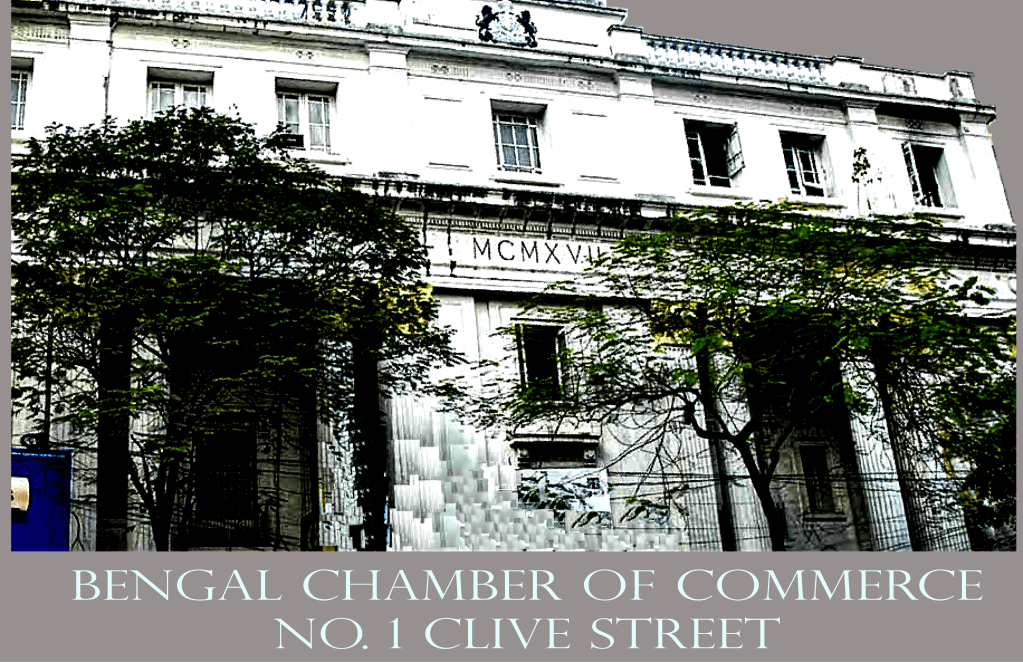
This is the building that stands on the site of the former residence of Robert Clive, from whom Clive Street derived its name. It was also the home of Philip Francis between 1774 and 1780. Since 1808, the place has been known as New China Bazar. A tablet, erected at Lord Curzon’s order, commemorates the fact that No. 1, New China Bazar, was the townhouse of Sir Philip Francis. Thacker’s.1905
Finlay, Muir & Co., No.1 Clive Street
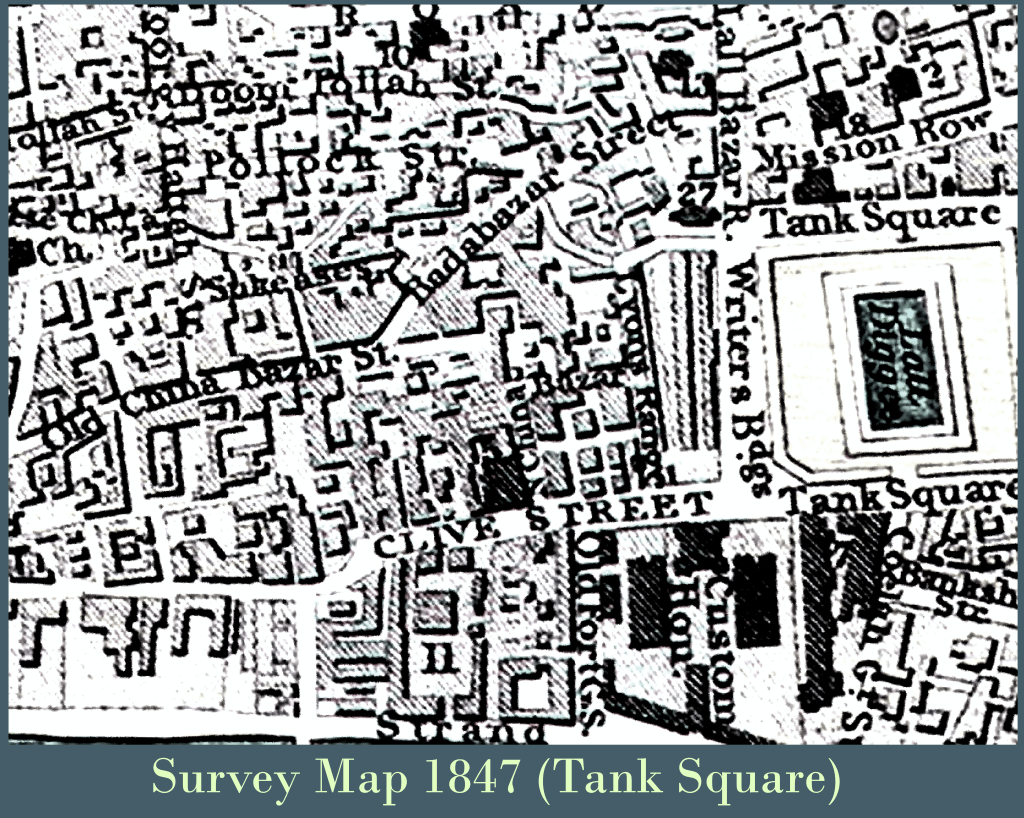
Finlay, Muir & Co. started in 15, Clive Row, and after eleven years, they moved to 21, Canning Street, and thence to their handsome block of buildings, which they erected on the site of the old ‘Thieves Bazaar’, a portion of the adjoining ground to the east and south. Massey The given description of the position of Finlay, Muir & Co.’s final abode sounds dubious for its inconsistency with the information given in 18th-century maps that designated the Theatre site adjacent to Lyon’s Rage behind Writers Buildings. The distance between Clive Row and the Theatre, as we see in cartographic representations, becomes more distinctive in the Survey map of 1847, where one can notice that the Oriental Bank Corporation was placed adjacent to the north boundary of New China Bazar, standing wide apart from Clive Row.
The verified last official address of Finlay, Muir & Co. was No.1 Clive Street (now No.2 NS Road). Finlay Massey claims that the building was erected on the site of Thieve Bazaar. In all probability, this was not the ill-famed shopping complex for second-hand stolen goods, Thieve Bazaar at Burrah Bazaar. Nor could this Big-Wig locality afford to neighbour a disreputable shop of that description. Massey might have meant yet another questionable trade, just seeded in Calcutta, bearing the same nickname, Thieve Bazar. It was the “informal, open-air business of insurance brokering transacted by banians on a plot of land in the open air under a large shady tree, like neem or pipul. James Finlay & Co., for the third time, shifted to build their offices on that lot where an open insurance brokerage bazar continued transactions before.
We understand from Evan Cotton that the new offices of James Finlay & Co. were moved to the site of the erstwhile house of Mr Edward Eyre, Tenth of Council and Store-keeper, situated “immediately opposite the north-east bastion of the Fort”. After the recapture of Calcutta, he believes, the new Theatre of the settlement was set up on this spot. Cotton The plot occupied by Edward Eyre originally belonged to John Carlier Esquire (1733 – 1802), who used to pay the subscribers’ rent Rs. 17-13-3 per annum in the Cutchery of the Calcutta Division. Mr Carlier served as Governor of Bengal from 1769 to 1772. Buckland
When we are almost nearing the end of our quest, the question still bothers us why Massey, who had lively interest in reminiscing about Calcutta’s past, mentions seven contemporary theatres of Calcutta but not a word about Calcutta Theatre, which supposedly existed on the site then occupied by Finlay, Muir Co., at No.15 Clive Row. Massy stayed at house No.1 on the same lane. Either he was unaware of such a hypothetical presumption, or it was a myth to him. He, however, never fails to systematically follow the movement of James Finlay & Co. from 15, Clive Row to 21 Canning Street, or Moorghe Hatta ka Rustah, in 1881, and thereafter to settle in their new premises at 1 Clive Street. James Finlay
Cotton recognised the new site of Finlay & Muir as the site of the house of Mr Edward Eyre Cotton. As we know from Curzon, others also have suggested that Clive lived in “Mr Eyre’s house,” close to the Old Fort, on the site now occupied by James Finlay & Co. Curzon The issues relating to Robert Clive’s dwellings were sorted out by Blechynden, neatly ordering his stays in Calcutta chronologically. Accordingly, Clive most likely occupied ‘Mr. Eyre’s house, where Calcutta Theatre took position from 1776 to 1808, if such it was, during the three years of his first administration of Bengal, from January 1757 to February 1760, when he sailed for England, and lived in the larger and probably new house during his second administration. Blechynden. The secondary information about Clive’s occupation of Mr Eyre’s house reassures the conclusion that the Calcutta Theatre building was situated on the site of Mr Eyre’s house at No.1 Clive Street (presently NS Road), where the magnifique mansion of Bengal Chamber of Commerce now stands upon the site of the New Oriental Bank Corporation, bought in 1893. John D. Nimmo, Vice President of the Chamber of Commerce, mounted a bronze tablet at the main entrance in 1905 to record that the building was erected on the site of the Town House of Sir Philip Francis. We may recall that Lord Curzon had also fixed a house-plate, with the same declaration, on the wall of premises No. 1 New China Street, by which the street was known in his time. Lord Clive once lived here, from which the street derives its name.Busteed
Firminger conclusively observed that Calcutta Theatre “had been erected on the site now occupied by the business house of Messrs. Finlay, Muir and Co.” Thacker’s How I wish Firminger, or any other celebrated writers had specified the original site of Calcutta Theatre unambiguously by invalidating No.15 Clive Row and ascertaining No.1 Clive Street, where James Finlay & Co. finally housed, be the hallowed space where Calcutta Theatre once had been.
ENDNOTE
When we feel contented with unearthing the lost site of long forgotten Calcutta Theatre at the end of a chain of discrete investigations over two centuries, there remains uncertainty in our minds if this is a field appropriate for historians to investigate, or for the archaeologists, who excavate and explore the forgotten sites for the acquisition of knowledge about the achievements of discontinued societies. History investigates the past to understand the present and predict the future. If this defines history, then it is not very relevant for historians to quest for the missing Calcutta Theatre’s site, but to interpret why Calcutta Theatre had lost love of its public and died idle for years together before it went under bidding hammers.
REFERENCE
Ajantrik. (2022). The Playhouses of Town Calcutta. Puronokolkata.com https://puronokolkata.com/2022/04/15/the-playhouses-of-town-calcutta/
Basu, A. K. (2020). কলকাতার রাজপথ. Ananda.
Bengal Directory. (1858). Bengal Directory and Annual Register for 1858. In Thacker, Spink. Thacker’s. https://archive.org/details/dli.ministry.00709
Biswas, O. (1992). Calcutta and Calcuttans From Dihi to Megalopolis. Firma KL. https://archive.org/details/in.ernet.dli.2015.149376
Blechynden, K. (1905). Calcutta Past and Present. Thacker. https://archive.org/details/calcuttapastand02blecgoog
Busteed, H. E. (1908). Echoes from old Calcutta; being chiefly reminiscences of the days of Warren Hastings, Francis and Impey. Thacker. https://archive.org/details/echoesfromoldcal00bustuoft
Curzon, M. of K. (1905). British Government in India: The Story of the Viceroys and Government Houses; vol. 1 (Vol. 1). https://dl.wdl.org/16800/service/16800_1.pdf
Fay, E. (1908). Original letters from India of Mrs Emily Fay (W. K. Firminger (ed.); New Edition). Thacker, Spink. https://archive.org/details/originalletters00forsgoog
Gibbes, P. (1789). Hartly House, Calcutta. In Oxford University: Vol. XXX. Printed for William Jones.
Gilchrist, J. (1859). East India Guide and Vade Mecum. In Oxford University: Vol. XXX. https://doi.org/10.1016/0003-6870(73)90259-7
Hyde, H. B. (1899). Parish of Bengal: 1678-1788. Thacker Spink. https://archive.org/details/in.ernet.dli.2015.6226
Long, J. (1852). Calcutta in the Olden Time – Its Localities. The Calcutta Review, 18, 275-. https://doi.org/https://books.google.co.in/books?id=8DMYAAAAYAAJ&pg=PA164&redir_esc=y#v=onepage&q&f=false
Massey, M. (1918). Recollections of Calcutta for Over Half a Century. Thacker, Spink. https://www.google.co.in/url?sa=t&rct=j&q=&esrc=s&source=web&cd=3&cad=rja&uact=8&ved=0ahUKEwjRr_WylsPXAhUDV7wKHTWJAXcQFggxMAI&url=https%3A%2F%2Farchive.org%2Fdetails%2Frecollectionsofc00massiala&usg=AOvVaw3uvydXqyjqB3xbkOOZe4jp
Minney, R. J. (1922). Round about Calcutta. OUP. https://archive.org/details/roundaboutcalcut00minnrich
Sandeman, H. D. (1868). Selections From Calcutta Gazettes: 1806-1815: Vol. XXX. GOI. https://doi.org/10.1016/0003-6870(73)90259-7
Stanhope, P. D. (1784). Genuine memoirs of Asiaticus. G. Kearsley. https://books.google.com.au/books?id=ZflAAAAAcAAJ&pg=PA41#v=onepage&q&f=false
Simms, F. W. (1857). Map of Calcutta from actual survey in the years 1847-1849. Walker. https://www.loc.gov/resource/g7654c.ct001429?r=0.48,0.224,0.081,0.036,0
Sterndale, R. C. (1858). An Historical Account of The Calcutta Collectorate, Collector Cutcherry, Or Calcutta Pottah Office. Govt. Printing Press. https://www.google.co.in/books/edition/An_Historical_Account_of_The_Calcutta_Co/Fl0EAAAAMAAJ?hl=en&gbpv=0&bsq=inauthor:%22Reginald Craufuird Sterndale%22
Tassin, J. B. (1832). Map of the City and Environs of Calcutta. https://www.imagesonline.bl.uk/asset/18693/
Toshio Suzuki (2012). The Rise and Decline of the Oriental Bank Corporation, 1842–84 / Oxford Academic Books. https://doi.org/10.1093/acprof:oso/9780199646326.003.0004
Upjohn, A. (1912). Map of Calcutta and its environs; From the accurate survey taken in the years 1792 & 1793. In the Survey of India Office. Survey Office. http://www.museumsofindia.gov.in/repository/record/vmh_kol-R565-C1737-2914
Wood, M. (1792). Plan of Calcutta 1784 & 1785. In Commissioners of Police, Calcutta. William Baillie. https://upload.wikimedia.org/wikipedia/commons/8/82/Kolkata_Old_Map.jpg
Discover more from PURONOKOLKATA
Subscribe to get the latest posts sent to your email.


 PURONOKOLKATA
A commendable search for a historic location lost in the quagmire of time…
LikeLike
My sincere thanks to you, Subhrendu, for your appreciation comments. Wishes
LikeLike